Elephant Icon: A Cute Zoo Animal Design for Creative Projects
When you're searching for that perfect visual element—something that instantly communicates warmth, approachability, and a touch of whimsy—you need an asset that does more than just sit on the page. The Elephant Icon: Cute Zoo Animal is exactly that kind of design resource. This charming illustration captures the gentle spirit of one of nature's most beloved creatures in a stylized, modern format that works across an impressive range of applications. Whether you're building a brand identity, designing social media graphics, or crafting packaging for a children's product, this wild fauna icon brings personality and professionalism to any project.
Visual Characteristics and Overall Appeal
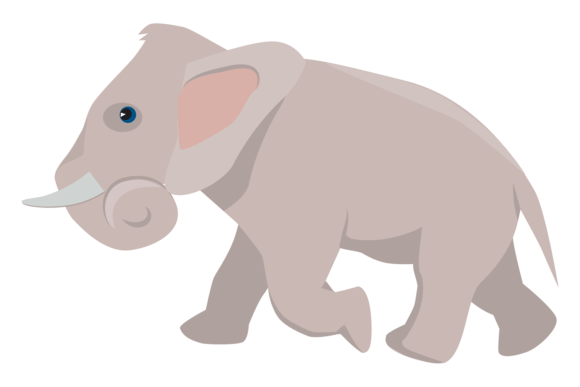
Let's talk about what makes this elephant icon stand out. The design features a simplified, friendly elephant rendered with clean lines and a balanced composition. The proportions are intentionally stylized—not anatomically precise, but recognizably elephantine with an endearing quality that appeals to adults and children alike. The trunk curves gently, the ears are full and expressive, and the overall silhouette reads clearly at both small and large scales.
The personality of this icon leans toward the approachable and playful side without crossing into overly childish territory. That's a crucial distinction. Many designers and brand strategists struggle to find animal illustrations that feel sophisticated enough for commercial use while still conveying friendliness. This particular elephant icon threads that needle beautifully. It works for a boutique baby brand just as comfortably as it does for an eco-conscious startup or a wildlife conservation nonprofit.
Available in multiple file formats—EPS, JPG, SVG, and transparent PNG—this design asset gives you genuine flexibility. The vector formats (EPS and SVG) scale infinitely without quality loss, making them ideal for everything from favicon-sized applications to large-format printing. The transparent PNG format eliminates background removal headaches, letting you drop the icon onto any colored surface or photographic background seamlessly. The JPG version works well for quick mockups and presentations where file compatibility matters most.
Where This Zoo Animal Icon Shines Brightest
Understanding where an asset performs best saves you time and ensures your design investments pay off. Here's where the Elephant Icon truly excels:
- Brand Identity and Logo Design: For businesses in children's education, pet care, wildlife tourism, or eco-friendly products, this elephant icon serves as a strong foundation for logo design. Its distinctive silhouette creates instant recognition, and the friendly expression builds trust with potential customers from the first glance.
- Packaging Design: If you're developing product packaging for toys, snacks, stationery, or baby products, incorporating a cute zoo animal element like this elephant adds shelf appeal. The clean design reproduces well across different printing methods and materials.
- Web Design and Digital Platforms: Use this icon as a favicon, app icon, loading animation element, or section divider on websites. The SVG format ensures crisp rendering on retina displays and across different screen sizes—a non-negotiable requirement in modern web design.
- Social Media Graphics: Content creators and marketers can incorporate this elephant icon into Instagram stories, Pinterest pins, Facebook covers, and YouTube thumbnails. Animal imagery consistently performs well on social platforms because it triggers emotional engagement.
- Editorial Design and Publishing: Bloggers and publishers covering topics like parenting, travel, nature, or lifestyle can use this icon as a recurring visual motif in their editorial design. It works beautifully as a section marker, pull-quote decoration, or header accent.
- Crafting and Personal Projects: Hobbyists and crafters will find this icon useful for custom invitations, scrapbooking, t-shirt designs, stickers, and printable wall art. The transparent PNG format makes it especially easy to layer into personal design projects.
How This Icon Influences Brand Perception
Every visual choice you make sends a message. When you incorporate an elephant icon into your brand identity, you're tapping into a rich set of associations: wisdom, memory, strength, family bonds, and gentleness. These aren't arbitrary connections—they're deeply embedded in cultural consciousness across many markets worldwide.
For small business owners and entrepreneurs, this matters enormously. Your visual language often communicates before your copy does. A cute zoo animal icon on your website header or business card immediately sets a tone that's welcoming and trustworthy. It softens the corporate feel that many startups inadvertently project, making your brand feel more human and relatable.
From a visual hierarchy perspective, well-placed icons like this elephant create natural focal points that guide the viewer's eye through your layout. They break up text-heavy designs, provide breathing room, and add visual interest that keeps audiences engaged longer. In editorial design especially, strategic use of illustrations and icons can increase time-on-page and improve information retention.
Practical Guidance for Using This Design Asset
Before you download and start integrating the Elephant Icon into your work, consider these practical recommendations from a design and branding perspective:
- Evaluate Project Fit Honestly: Not every project benefits from a cute animal illustration. Ask yourself whether the playful, friendly tone aligns with your audience's expectations and your brand's positioning. A law firm probably won't benefit, but a children's bookstore absolutely will.
- Test Font Pairings Thoughtfully: If you're combining this icon with typography, choose typefaces that complement its character. A rounded sans serif font pairs naturally with the icon's soft curves. Avoid overly formal serif fonts or aggressive display fonts that might clash with the icon's friendly personality.
- Consider Scale and Context: Test the icon at the actual size you'll use it. What looks charming at two inches might lose detail at half an inch. The vector formats handle scaling well, but the visual weight of the illustration changes with size.
- Review Color Compatibility: While the icon works on white backgrounds (as originally provided), consider how it integrates with your broader color palette. Monochrome versions often work better for professional applications, while full-color versions suit playful projects.
- Understand Licensing Terms: Before using this design asset in commercial projects, verify the licensing agreement. Most premium icon sets allow commercial use, but specific terms vary. Ensure your intended use—whether it's a client project, merchandise, or digital product—falls within the permitted scope.
- Maintain Visual Consistency: If you plan to use this elephant icon as part of a larger brand system, consider whether you need additional matching icons or illustrations. Consistency in style, line weight, and proportions across your design assets creates a cohesive, professional appearance.
Standing Out in a Crowded Visual Landscape
We live in an era of visual overload. Every social media feed, every website, every inbox competes for attention with increasingly polished graphics. In that environment, the details matter more than ever. Choosing the right illustration or icon—something with genuine personality and quality craftsmanship—can be the difference between blending in and being remembered.
The Elephant Icon: Cute Zoo Animal occupies a sweet spot in the design asset marketplace. It's specific enough to carry meaning but versatile enough to adapt across industries and applications. For designers building brand identity systems, marketers crafting campaign visuals, publishers enhancing editorial layouts, and entrepreneurs establishing their visual presence, this kind of thoughtful, well-executed illustration is worth its weight in creative gold.
Take the time to experiment with it. Place it in different contexts, pair it with various typefaces, test it across mediums. The best design choices come from exploration, not assumption—and this charming wild fauna icon is well worth exploring.