The Playful Power of a Smiling Turtle Cartoon Animal Icon
There’s a certain magic in a well-designed character. It can cut through the noise of a crowded feed, make a child smile, or instantly communicate a brand’s personality without a single word of copy. When that character is a fun and smiling turtle cartoon animal icon, you’re working with a concept that’s universally appealing: slow and steady wins the race, but with a joyful, approachable twist. This isn’t just another reptile isolated on a white background; it’s a versatile design asset packed with personality, ready to anchor projects from playful startups to heartfelt personal blogs.
More Than a Doodle: Understanding the Icon's Appeal
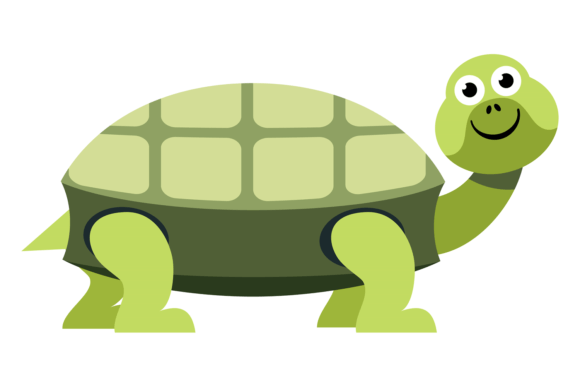
At its core, the Smiling Turtle is a masterclass in friendly design. The visual characteristics are intentionally crafted to evoke warmth and trust. The shell is often rendered with soft, rounded forms rather than sharp, realistic scales, making it feel huggable. The eyes are large, expressive, and full of life—think less beady reptile stare, more cartoon companion. That signature smile is key; it’s a genuine, wide grin that suggests friendliness, patience, and a positive outlook. The style is clean, vector-based, which means it scales perfectly from a tiny favicon to a massive banner without losing its charm or clarity. This cartoon animal icon isn’t trying to be anatomically correct; it’s aiming for emotional connection. The overall appeal lies in its simplicity and the positive emotion it triggers. It’s a character that feels safe, reliable, and inherently cheerful.
Where This Character Truly Shines: Practical Applications
Knowing what something is and knowing how to use it are two different things. The true value of a fun and smiling turtle asset is unlocked when you apply it strategically. Let’s move beyond the obvious.
- Brand Identity & Logo Design: For businesses in education, children’s products, eco-friendly goods, wellness, or pet care, this icon is a goldmine. It can form the cornerstone of a logo design, instantly setting a tone of approachability and care. Imagine a tutoring service or a sustainable packaging company using this turtle—it says “we’re patient, we’re green, and we’re here to help.”
- Digital & Web Design: As a mascot on a website, it can guide users, celebrate achievements in an app, or simply add a splash of personality to an “About Us” page. In social media graphics, it’s perfect for breaking up text-heavy posts, creating engaging story stickers, or standing out in a Instagram grid. Its isolated nature on a white background makes it incredibly easy to drop into any layout.
- Publishing & Editorial Design: Children’s book authors and bloggers can use the icon as a recurring character, a chapter opener, or a spot illustration. In editorial design, it can add a touch of whimsy to a magazine layout focused on nature, mindfulness, or family life.
- Packaging & Product Design: Think beyond the label. This cartoon animal icon can be embossed on a box, used as a pattern on wrapping paper, or become the friendly face on a line of organic snacks. It transforms ordinary packaging into a memorable brand experience.
- Crafting & Personal Projects: For hobbyists and crafters, the file formats (EPS, JPG, SVG, transparent PNG) are a dream. The transparent PNG is perfect for printables, stickers, and custom apparel. The SVG is ideal for cutting machines, allowing you to create vinyl decals, greeting cards, or party decorations with crisp, clean lines.
The Strategic Advantage: How a Simple Icon Influences Perception
You might wonder how a single smiling turtle can impact something as serious as brand perception or audience engagement. The answer lies in visual psychology. A friendly, non-threatening character lowers barriers. It makes a brand feel more human and less corporate. This directly influences recognition—people remember characters. Consistent use of the icon across touchpoints builds consistency and professionalism. It shows you’ve thought about your visual identity beyond just a font and a color.
From a practical design standpoint, the icon’s simplicity aids readability and visual hierarchy. It doesn’t compete with your headline; it supports it. You can place it next to a call-to-action to draw the eye, or use it to break up long paragraphs of text, improving the overall flow of your layout. The key is to use it with intention. It’s not a spacer; it’s a communicator.
A Designer's Checklist for Implementation
Before you dive in, run through this quick evaluation to ensure the fit is perfect.
- Evaluate Project Fit: Does your project’s tone align with playful, friendly, and approachable? If you’re designing for a law firm or a luxury watch brand, this might not be the right asset. But if you’re in the space of education, lifestyle, community, or family, it’s likely a strong match.
- Test Font Pairings: The icon will often live alongside text. Pair it with a typeface that complements its personality. A clean, rounded sans serif font works well for a modern, friendly feel. A playful handwritten font or script font can amplify the whimsy, but use it sparingly for headlines, not body text. Avoid stiff, formal serif fonts that might clash with the icon’s vibe.
- Consider the Color Palette: While the icon is provided in black, it’s a vector. You can easily recolor it to match your brand’s palette. A green turtle is classic, but a blue or orange one on a contrasting background can be even more eye-catching and unique.
- Review Licensing for Commercial Use: This is non-negotiable. If you’re using the Smiling Turtle for a client project, merchandise, or any commercial product, you must ensure you have the proper commercial font or asset license. Most stock sites offer different tiers—read the fine print to confirm it covers your intended use, whether it’s for a small business or a large-scale print run.
- Scale and Context: Test it at the size you intend to use. A tiny icon in a website footer needs to remain recognizable. A large version on a poster should hold its charm. The vector formats (EPS, SVG) ensure it will.
In the end, the fun and smiling turtle cartoon animal icon is more than a cute picture. It’s a strategic tool for connection. It’s a piece of modern typography in the broadest sense—the art of arranging visual elements to communicate. Used thoughtfully, it can elevate a project from forgettable to friendly, from sterile to engaging, giving your audience a reason to smile and remember you.